Office Table Designs for Practical and Modern Workspaces
Choosing the right
office table involves more than selecting a surface for a computer and paperwork. The table influences available working space, storage, movement, organization, and the overall appearance of an office. A well-planned
office table design should balance functionality, durability, comfortable dimensions, and a professional look while fitting naturally into the available room. This applies equally to corporate offices, private cabins, meeting areas, and a home office table used for regular work from home.
Choosing the Right Office Table Design
Office tables are available in rectangular, square, round, L-shaped, U-shaped, and other configurations. The most suitable shape depends on the room layout, the nature of the work, the number of devices used, and how much surface space is required. A
modern office table with a simple layout can suit contemporary interiors, while larger executive designs may provide more surface area for files, laptops, stationery, meetings, and everyday office accessories. Buyers searching for modern table office styles should therefore consider practical space planning as carefully as appearance.
The position of the table also affects the correct
office table size. Before selecting one, consider whether it will sit against a wall, in the center of a room, inside a cabin, or within an open office. Allow enough legroom and walking space around the table, while also considering computers, monitors, printers, documents, and other equipment that may need to remain within easy reach. A large table may work well in an executive cabin, whereas compact dimensions can make better use of a smaller office or home workspace.
Office Tables with Storage and Drawers
Storage is an important part of keeping a working surface organized. An
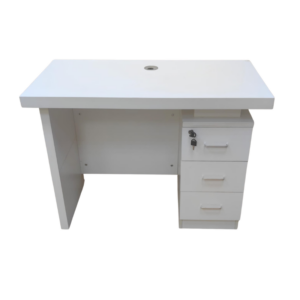
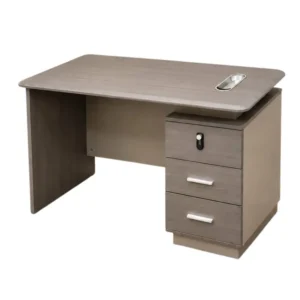
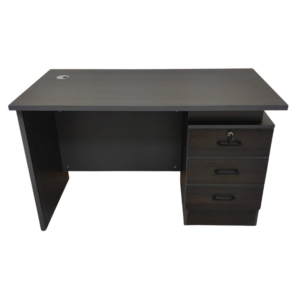
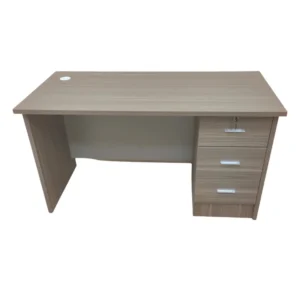
office table with drawers provides convenient space for documents, stationery, personal items, and frequently used accessories that would otherwise create clutter on the desktop. Depending on the design, storage can include drawers, cupboards, filing sections, keyboard trays, or separate cabinets.
A practical
office table desk should provide enough usable surface space without becoming overcrowded. Computers, files, notebooks, phones, stationery, and other work essentials should have defined places so employees can work efficiently. Where additional surface area is needed, an
office table extension can provide extra room for documents, equipment, discussions, or supporting tasks without requiring an entirely separate table.
Materials, Colours and Finishes for Office Tables
The material and finish contribute to both appearance and everyday performance. Office tables may incorporate engineered wood, MDF, plywood, laminates, melamine surfaces, metal, glass, or combinations of these materials. Wood-grain finishes can create a warmer professional appearance, while clean laminated surfaces and metal elements can support more contemporary office interiors.
Colour also affects how the table fits into the surrounding décor. A
white office table can create a clean, simple appearance and work particularly well in bright or minimalist spaces. Darker wood tones and executive finishes can create a more formal setting. Instead of selecting a table based on colour alone, consider how the material, surface finish, shape, existing
office furniture, flooring, walls, and seating work together visually.
Executive and High Office Table Options
An
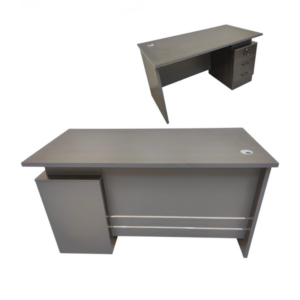
executive office table is generally chosen for management offices, director cabins, and professional spaces where additional surface area and a stronger visual presence are preferred. The design should still provide practical storage, comfortable seating clearance, and enough room for daily tasks, meetings, documents, and computer equipment.
A
high office table may suit particular working or collaborative environments where a raised working surface is preferred. Height should always be considered together with the intended seating, user comfort, type of work, and available room. Choosing suitable proportions helps prevent a table from feeling too large, too small, or awkward within the surrounding workspace.
How to Choose the Best Office Table
The
best office table is not necessarily the largest or most decorative option. Start with the user's daily tasks, available room dimensions, required storage, equipment, preferred seating position, and the number of people likely to use the space. Durability and surface maintenance are also important for tables exposed to regular commercial use.
A tidy desktop can improve the practical use of the table as well. Filing cabinets, drawers, document storage, stationery organizers, and concealed storage help reduce unnecessary clutter. Frequently used items such as pens, notepads, documents, and devices can remain accessible while completed paperwork and less frequently used materials are stored away. Keeping the working surface organized also makes more space available for meetings, laptops, files, and everyday tasks.
Order Office Tables for Your Workspace in UAE
Before you
buy office table designs, compare dimensions, shape, materials, storage, finish, and intended use rather than choosing purely on appearance or price. Product measurements are particularly important when furnishing cabins, compact rooms, home offices, or existing commercial spaces where the available floor area is fixed.
NAD Furniture offers office tables for different workplace requirements, allowing customers to compare designs according to room size, working style, storage needs, and preferred appearance. More specialized furniture requirements can be explored through their relevant categories, while this category remains focused specifically on choosing and purchasing office tables.